The Thrill of the Gamble
The first allure that draws people to casinos is the electrifying thrill associated with gambling. The excitement of placing a bet and anticipating the outcome can ignite a rush of adrenaline that many seek. Whether it’s the sound of spinning reels on a slot machine or the tension at a blackjack table, the atmosphere in a casino is designed to enhance this excitement. For those looking to enjoy the experience fully, the best casino online options offer a variety of games, promotions, and the convenience of playing from home, making every win feel monumental and every loss merely a step closer to the next big win.
This thrill isn’t just emotional; it also has psychological implications. The possibility of winning large sums of money captures imaginations, creating a compelling narrative in the minds of players. People often envision themselves as the next big winner, a concept perpetuated by stories of jackpot winners who seemingly became millionaires overnight. This dream can be intoxicating, encouraging individuals to flock to casinos despite the reality of the odds being heavily stacked against them. The allure of that potential life-changing moment can overshadow the mathematical probabilities.
Moreover, the social aspect of gambling cannot be overlooked. Casinos serve as vibrant social hubs where people gather, share experiences, and celebrate wins—regardless of how small. This communal excitement can heighten the overall experience, creating bonds over shared chances and thrills. Engaging with others who share similar interests further amplifies the allure, as players feel part of something larger than themselves, making the experience more enjoyable than simply playing alone at home. This shared excitement transforms individual experiences into collective celebrations, drawing more people into the fold.
The Illusion of Control
Many individuals are drawn to casinos by the illusion of control over their fate. Games of chance often come with a facade of skill that makes players feel empowered, even when the odds favor the house. For instance, in games like poker, players believe that their skills and strategies can influence the outcomes, leading them to assume a greater level of control than is realistically possible. This belief allows them to justify their risks, thinking that they are not merely relying on luck but actively participating in shaping their destiny. The feeling of empowerment can be a powerful motivator for returning to the gaming table.
Furthermore, the availability of various betting strategies and systems caters to this desire for control. Players may be inclined to research or devise systems they believe can tilt the odds in their favor, such as betting systems in roulette or card counting in blackjack. Such strategies can provide a sense of involvement and investment, where the act of planning and executing a strategy makes playing more engaging. Even when these strategies fail, the possibility of a breakthrough keeps players returning, hoping that this time, things will turn out differently. The pursuit of that elusive win becomes a driving force that overshadows the risks.
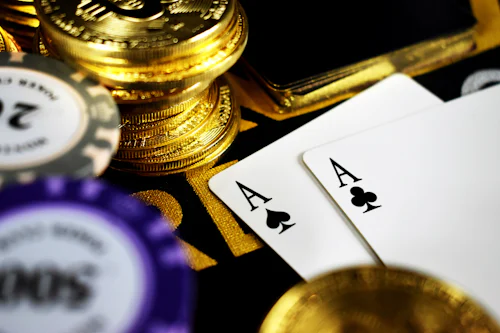
The mental game involved in gambling further entices players to return to casinos. Many develop a sense of ‘gambler’s fallacy’, believing that past results can influence future outcomes. This misconception is pervasive, as players think that their luck might change, and a win is just around the corner. This psychological complexity—ranging from risk-taking behavior to cognitive biases—adds layers to why individuals remain drawn to these establishments despite the inherent risks involved. The interplay between expectation and reality creates a fascinating dynamic that continues to attract a diverse range of players.
The Excitement of Competition
The competitive nature of casino games, particularly in settings like poker or table games, adds another layer of attraction. Many patrons enjoy competing against one another, feeling the thrill of not only playing against the house but also their peers. This competition can heighten the excitement, as players measure their skills against others, leading to a sense of camaraderie and rivalry. The adrenaline rush from outsmarting an opponent resonates with many, fueling the desire to return and try their luck against new challengers. The social interaction involved in competition makes the experience multifaceted and engaging.
Casinos often host tournaments that further foster this competitive spirit. These events attract enthusiasts who enjoy showcasing their skills while vying for substantial prizes. Such tournaments can elevate the stakes, making the gambling experience feel more legitimate and rewarding. The potential to win not just money but also accolades within a community encourages participants to continually engage with casino culture. This competitive edge adds depth to the gaming experience, transforming it into a battleground of skills and wits.
Additionally, the allure of competition can lead to repeat visits. Players often create networks of friends with whom they regularly gamble, which solidifies their commitment to returning to the casino. This social bonding through competition gives rise to traditions and rituals surrounding game nights, reinforcing their connection to the casino environment. The shared experiences of playing together transform gambling from a solitary act into a community event, making it tough to resist the magnetic pull of the casino atmosphere. The thrill of competition, combined with friendship, makes each visit a memorable occasion.
The Role of Marketing and Promotion
Marketing plays a crucial role in attracting individuals to casinos, implementing strategies designed to entice and retain players. From lavish advertisements showcasing luxurious surroundings to enticing promotions offering free play or bonuses, casinos craft their image to appeal to potential guests. These promotional strategies create an allure, framing casinos as places not just to gamble but to indulge in luxurious entertainment experiences. The strategic presentation of casinos as glamorous destinations enhances their appeal, drawing in both seasoned gamblers and newcomers alike.
The implementation of loyalty programs is another effective marketing tool that keeps players coming back. These programs reward frequent visitors with perks such as cash back, exclusive access to events, and complimentary meals or accommodations. By cultivating a sense of belonging and appreciation, casinos ensure that patrons feel valued, which encourages them to return in order to reap the benefits of their loyalty. This gamified approach not only fosters dedication but also builds a strong emotional connection between the casino and its patrons, transforming occasional visits into habitual ones.
Furthermore, the use of technology in casinos has transformed the gaming experience, attracting younger audiences. Mobile apps, online platforms, and interactive games have made it easier for users to engage with casino offerings from anywhere. This evolution allows casinos to reach potential players who may not visit physical locations, expanding their demographic reach. By modernizing their approach, casinos remain relevant and appealing to new generations of gamblers, all while maintaining a stronghold on traditional gaming experiences. The integration of technology into gambling has redefined accessibility and engagement, ensuring casinos remain a focal point of entertainment.
Understanding Casino Culture and Trends
Casino culture is steeped in history and tradition, influencing why people are drawn to these venues. The glamorous lifestyle often associated with casinos, fueled by movies and media representations, creates an enticing narrative that many aspire to experience. This cultural cachet makes casinos more than just places to gamble; they are viewed as hubs of excitement and entertainment that offer unique social experiences. Such cultural perceptions contribute significantly to their popularity, allowing individuals to step into a world that feels larger than life.
Trends also shape the landscape of casino attendance. The rise of online casinos has prompted many traditional brick-and-mortar establishments to adapt by incorporating tech-driven experiences into their offerings. Virtual reality gaming, augmented reality experiences, and gamification play into the evolving landscape, enhancing the immersive nature of gambling while appealing to a broader audience. These innovations keep the casino experience fresh and exciting, generating buzz and intrigue for both seasoned players and newcomers. The constant evolution of trends ensures that casinos remain dynamic spaces where tradition meets modernity.
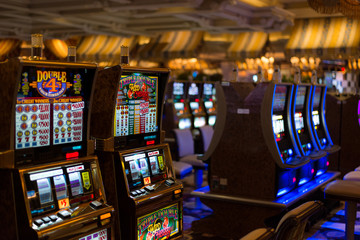
The overall ambiance within a casino also plays a vital role in drawing people in. The design and décor, from glitzy lights to plush seating, create an inviting atmosphere that encourages patrons to stay longer. This sensory engagement, combined with the thrill of potential winnings, transforms visits into memorable experiences. As an essential part of social life, casinos continually evolve to meet the desires of their patrons, making it clear why people remain drawn to these vibrant establishments despite the odds they face. The intricate dance of design, atmosphere, and expectation creates an irresistible allure for many who walk through their doors.